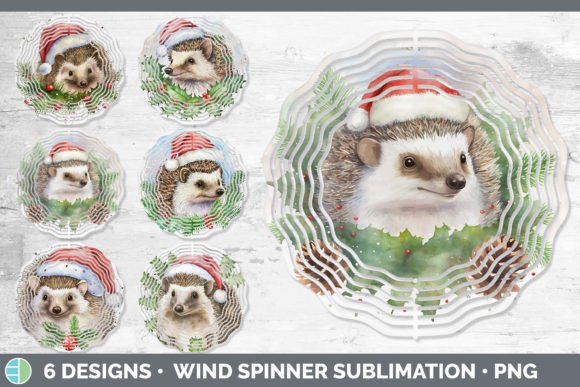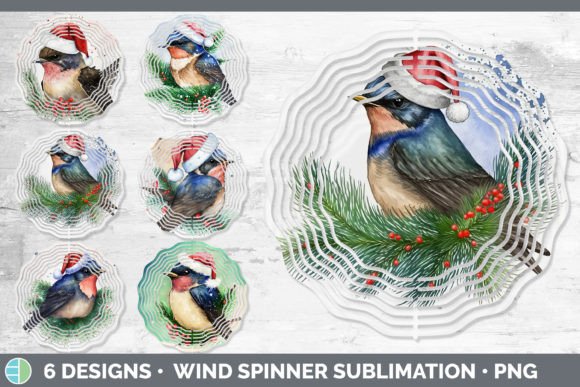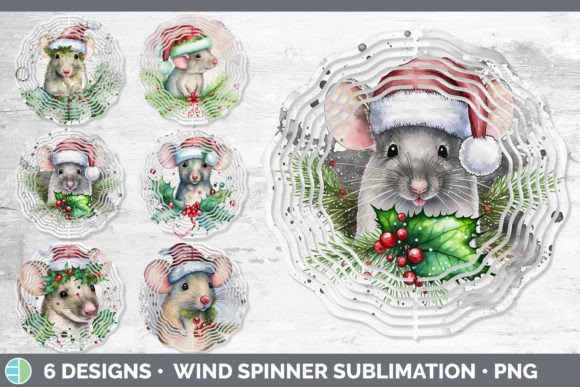
Review: Christmas Mouse Painted Wind Spinner S Design
As a designer who spends more time at the hoop than away from it, I approach every new machine embroidery design with a mix of curiosity and skepticism. We've all been there: you download a file that looks adorable on the screen, only to find it turns into a puckered mess or a thread-breaking nightmare once the needle hits the fabric. That is why I took a close look at the Christmas Mouse Painted Wind Spinner S before committing it to any client work or personal holiday projects. This isn't just about whether it's cute; it's about whether it holds up as a professional asset for a craft business or a heartfelt handmade product.
First Impressions and Visual Personality
The moment I loaded the preview for the Christmas Mouse Painted Wind Spinner S, the mood was immediately clear. It captures that whimsical, nostalgic feeling of a winter afternoon without being overly cluttered. As part of the Illustrations category, this design relies heavily on clean lines and a playful composition rather than dense, heavy filling. The "painted" aesthetic suggests a softer approach to shading, likely utilizing a blend of fill stitch and strategic running stitch details to mimic brushstrokes.
For an Etsy seller or boutique owner, visual personality is everything. This design feels like it belongs on items meant to bring joy rather than just serve a function. The layout is compact, which is excellent for the "S" designation, but it doesn't feel cramped. The character of the mouse interacting with the wind spinner elements creates a focal point that draws the eye immediately. It's the kind of graphic that stops a scroller on social media or catches a customer's attention at a holiday craft fair.
Real-World Application: The Holiday Tote Scenario
To truly test the viability of this embroidery file, I imagined a specific real-life scenario: creating a limited run of custom canvas tote bags for a local bakery's holiday gift set. The goal was to produce a personalized gift that felt high-end but remained cost-effective to produce. The Christmas Mouse Painted Wind Spinner S seemed perfect for this.
On a medium-weight canvas, the design's structure would need to be crisp. Because wind spinners imply movement, the stitching needs to have enough definition to show the swirling elements without blurring together. In this hypothetical run, I would pair the design with a vibrant red or forest green thread colors palette against a natural beige fabric. The contrast is crucial here. If the stitch density is too low, the canvas weave might show through, ruining the "painted" illusion. If it's too high, the bag becomes stiff. My assessment is that this design strikes a balance suitable for tote bag design, provided the right stabilizer is used to prevent distortion during the wash cycle.
Versatility Across Products
Beyond totes, where else does this design shine? The scale of the Christmas Mouse Painted Wind Spinner S makes it incredibly versatile for various custom apparel and home decor items.
- Sweatshirt Embroidery: Placed on the left chest or centered on a youth-sized hoodie, this design adds a festive touch without overwhelming the garment. The soft texture of fleece pairs well with the illustrative style.
- Baby Embroidery: For onesies or bibs, the whimsical nature of a mouse is always a hit. However, extra care must be taken with stitch density to ensure the finished product remains soft against sensitive skin.
- Embroidered Patch: This is perhaps the strongest use case. Creating a sew-on or iron-on patch allows customers to apply the design to jackets, hats, or backpacks themselves. It turns the digital embroidery file into a standalone design asset that can be sold repeatedly.
- Kitchen Towels and Aprons: As a holiday embroidery motif, it works beautifully on tea towels. The linear elements of the wind spinner complement the hem of a towel nicely.
Technical Considerations and Fabric Challenges
While the design is charming, a professional reviewer must address the potential pitfalls. The "S" size indicates a smaller footprint, which brings specific challenges regarding hoop size and detail retention. When working with textured fabrics like waffle knit or heavy terrycloth, fine details in the wind spinner blades could get lost. In these cases, I would recommend avoiding this design unless you are confident in your ability to adjust the underlay or switch to a smoother fabric base.
Stretchy fabrics present another hurdle. If you are attempting sweatshirt embroidery on a thin, high-stretch jersey, the fill stitch areas might cause the fabric to pucker if the stabilizer isn't robust enough. A cut-away stabilizer is almost mandatory here to maintain the integrity of the mouse's shape over time. Furthermore, dark fabrics require careful planning. If the design relies on light thread colors for the "painted" highlights, you may need to manually add a white underlay layer in your editing software to prevent the dark fabric from muting the colors.
Curved surfaces, such as caps, are tricky with illustrative designs. The curvature can distort the circular motion of the wind spinner, making it look oval or skewed. Unless you have extensive experience with cap framing and digitizing adjustments, I would suggest sticking to flat surfaces for this specific embroidery project.
Enhancing Brand Value and Customer Trust
Using a high-quality design like the Christmas Mouse Painted Wind Spinner S directly impacts your brand perception. When a customer receives a finished product with clean, crisp stitching and no loose threads, it builds trust. It signals that you care about quality. Conversely, a design that pulls or gaps can damage your reputation as a small shop product creator. This design, with its clear thematic focus, helps establish a cohesive holiday collection. Whether used for commercial embroidery runs or one-off gifts, consistency in output is key to buyer engagement.
Practical Notes for the Studio
Before you start stitching for a client, here are my essential recommendations for working with this file:
- Test on Scrap Fabric: Always stitch a sample on the exact same material and weight you plan to use for the final item. Check how the fabric texture interacts with the stitches.
- Check Thread Contrast: Ensure your chosen thread colors provide enough separation between the mouse, the spinner, and the background. Test a black-and-white mockup first to see value contrast.
- Review Stitch Density: Look closely at the small details. Are the running stitches too long for the fabric type? Adjust if necessary.
- Confirm Licensing: Before selling items made with this Illustrations design, verify the license terms. Can you sell physical goods? Are digital resales allowed? Never assume.
- Stabilizer Selection: Match your stabilizer to the fabric. Water-soluble for towels, cut-away for stretchy knits, and tear-away for stable wovens.
In conclusion, the Christmas Mouse Painted Wind Spinner S is a delightful addition to any holiday library. It offers a blend of charm and practicality that, when handled with technical care, can elevate a simple piece of fabric into a cherished keepsake. For the creative entrepreneur looking to expand their seasonal offerings, this design provides a solid foundation for a variety of profitable and heartwarming projects.